

 中文简体
中文简体Beim Austausch einer Wasserfilterkartusche müssen Sie die Wasserzufuhr absperren, den Systemdruck ablassen, das Filtergehäuse abschrauben, die alte Kartusche entfernen, die neue einsetzen und das System spülen, bevor Sie es wieder in Betrieb nehmen. Der gesamte Vorgang dauert bei den meisten Untertisch- und Ganzhausfiltern 10 bis 20 Minuten und erfordert außer einem Filtergehäuseschlüssel keine Spezialwerkzeuge. Bei korrekter Durchführung – einschließlich des Desinfizierens des Gehäuses und Spülen der neuen Kartusche – wird eine Kontamination verhindert und sichergestellt, dass die Ersatzkartusche vom ersten Tag an ihre Nennkapazität erreicht.
Wann Sie Ihre Wasserfilterkartusche austauschen sollten
Der Austausch einer Kartusche nach einem festen Zeitplan ist zuverlässiger, als auf sichtbare Anzeichen eines Leistungsabfalls zu warten, da die meisten Filtrationsausfälle – einschließlich Bakteriendurchbruch und verringerter Schadstoffentfernung – erst sichtbar oder geschmacklich wahrnehmbar sind, wenn die Kartusche ihre Lebensdauer deutlich überschritten hat.
Vom Hersteller empfohlene Austauschintervalle
Die Austauschintervalle werden entweder nach Zeit (Monaten) oder nach Volumen (Liter/Gallonen) bewertet – je nachdem, was zuerst eintritt. Gängige Intervalle nach Filtertyp sind:
| Filtertyp | Typisches Intervall (Zeit) | Typisches Intervall (Volumen) |
|---|---|---|
| Sediment (5–20 Mikrometer) | 3–6 Monate | 10.000–20.000 Liter |
| Aktivkohleblock | 6–12 Monate | 15.000–30.000 Liter |
| Granulat-Aktivkohle (GAC) | 6–12 Monate | 20.000–40.000 Liter |
| Umkehrosmosemembran | 24–36 Monate | Bis zu 75.000 L |
| Krug/Arbeitsplatte aus Carbon | 1–2 Monate | 150–300 l |
| Mehrstufig für das ganze Haus | 6–12 Monate | 50.000–150.000 Liter |
Zeigt an, dass Ihre Patrone früher ausgetauscht werden muss
Hohe Sedimentfrachten oder schlechte Quellwasserqualität können dazu führen, dass eine Patrone weit vor ihrem Nennvolumen erschöpft ist. Ersetzen Sie es früher, wenn Sie Folgendes bemerken:
- Spürbar verringerte Durchflussmenge — Eine voll beladene Sedimentpatrone kann den Durchfluss um 50–70 % reduzieren, bevor es zu einem Ausfall kommt
- Rückkehr des Chlorgeschmacks oder -geruchs aus einem Kohlefilter, der ihn zuvor beseitigt hat
- Sichtbare Verfärbung des Wassers nach dem Filter
- Filterwechsel-Kontrollleuchte aktiviert (bei Systemen mit elektronischer Überwachung)
- Jeder Zeitraum bekannter Wasserqualitätsereignisse – Rohrbruch, Meldung zum Kochen von Wasser oder Überschwemmung flussaufwärts
Für die Arbeit benötigte Werkzeuge und Materialien
Die meisten Kartuschenwechsel erfordern nur ein paar grundlegende Dinge. Wenn Sie alles vorbereitet haben, bevor Sie beginnen, vermeiden Sie, dass das System während der Suche nach Vorräten offen bleibt:
- Ersatzkartusche – müssen genau zu Ihrer Gehäusegröße und Filterspezifikation passen (Standardgrößen: 10-Zoll- oder 20-Zoll-Längen; 2,5 Zoll oder 4,5 Zoll Durchmesser )
- Filtergehäuseschlüssel (normalerweise im Lieferumfang des Systems enthalten; auch als Universalausführung für weniger als 10 $ erhältlich)
- Eimer oder Handtücher reinigen, um beim Öffnen des Gehäuses Restwasser aufzufangen
- Lebensmittelechtes Silikonfett zum Schmieren des O-Rings
- Ersatz-O-Ring in der richtigen Größe für Ihr Gehäuse (mindestens bei jedem zweiten oder dritten Kartuschenwechsel ersetzen)
- Sauberes Tuch oder Papiertücher zum Abwischen des Gehäuseinneren
- Mildes, parfümfreies Spülmittel oder verdünnte, lebensmittelechte Desinfektionslösung zur Gehäusereinigung
Schritt-für-Schritt: So wechseln Sie eine Untertisch- oder Ganzhaus-Filterkartusche
Der folgende Prozess gilt für den gängigsten Filtertyp: ein ein- oder mehrstufiges Behältersystem mit einem Sumpfgehäuse mit Gewinde. Die gleichen Prinzipien gelten für große, blaue Gehäuse für das ganze Haus – nur die physische Größe unterscheidet sich.
Schritt 1 – Wasserversorgung abstellen
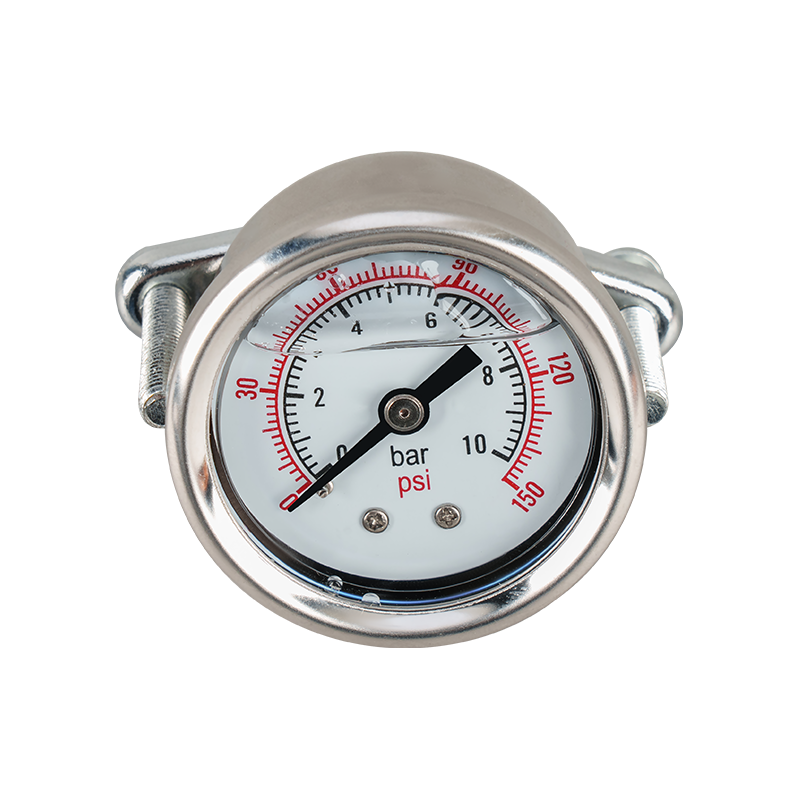
Schließen Sie das entsprechende Filtereinlassventil (falls vorhanden) oder das Hauptventil für die Kaltwasserversorgung unter der Spüle. Schließen Sie bei Ganzhaussystemen das Hauptversorgungsventil des Hauses. Versuchen Sie niemals, ein unter Druck stehendes Filtergehäuse zu öffnen — Der Wasserdruck in einer typischen Haushaltsversorgung liegt bei 2–5 bar (30–75 PSI) , genug, um Wasser durch den Raum zu spritzen und die Patrone heftig zu lösen.
Schritt 2 – Systemdruck ablassen
Öffnen Sie einen nachgeschalteten Wasserhahn (den Filterwasserhahn oder einen vom System gespeisten Kaltwasserhahn) und lassen Sie ihn laufen, bis der Durchfluss stoppt. Dadurch wird das Filtergehäuse drucklos gemacht. Viele Gehäuse verfügen außerdem über einen kleinen Druckentlastungsknopf an der Oberseite – drücken Sie ihn, um den Restdruck abzulassen, bevor Sie ihn abschrauben. Stellen Sie einen Eimer oder Handtücher unter das Gehäuse, bevor Sie fortfahren 300–600 ml Restwasser bleibt normalerweise in einem Standard-10-Zoll-Gehäuse.
Schritt 3 – Entfernen Sie das Filtergehäuse
Schrauben Sie den Sumpf (untere Schüssel) mit dem Filtergehäuseschlüssel gegen den Uhrzeigersinn ab. Gehäuse, die 6–12 Monate lang nicht gewartet wurden, können aufgrund der druckfesten Dichtung dicht sein – wenden Sie gleichmäßige Kraft an, statt zu ruckeln. Sobald Sie das Gehäuse von Hand gelöst haben, senken Sie es vorsichtig ab, um zu vermeiden, dass das restliche Wasser in das Innere verschüttet wird.
Schritt 4 – Entfernen und entsorgen Sie die alte Patrone
Heben Sie die verbrauchte Patrone aus dem Gehäuse. Die meisten Standardpatronen lassen sich einfach herausziehen. Einige lassen sich auf einen Mittelpfosten aufstecken und erfordern zum Lösen eine leichte Drehung. Versuchen Sie nicht, eine verbrauchte Sediment- oder Aktivkohlekartusche zu reinigen und wiederzuverwenden. Sobald das Medium erschöpft oder mit Verunreinigungen beladen ist, kann die Reinigung die Filterleistung nicht wiederherstellen oder absorbierte Chemikalien aus der Aktivkohle entfernen.
Schritt 5 – Reinigen Sie das Gehäuseinnere
Dieser Schritt wird von den meisten DIY-Filterwechslern übersprungen und ist einer der wichtigsten. Im Inneren des Gehäuses sammeln sich Sedimente, Biofilm und in Gebieten mit hartem Wasser auch Kalk an. Wischen Sie den Innenraum mit einem sauberen, mit einer milden Seifenlösung angefeuchteten Tuch ab und spülen Sie ihn anschließend gründlich aus. Für Anlagen, die länger als 12 Monate im Einsatz sind, a Desinfizierende Spülung mit einer Lösung aus 1 Teelöffel unparfümiertem Haushaltsbleichmittel pro 4 Liter Wasser , gefolgt von einer Spülung mit klarem Wasser, beseitigt jeglichen Biofilm, der die neue Patrone vom ersten Tag an verunreinigen könnte.
Schritt 6 – Überprüfen und ersetzen Sie den O-Ring
Entfernen Sie den O-Ring aus seiner Nut im Gehäusekopf. Überprüfen Sie es auf Abflachungen, Risse oder Oberflächenschäden. Ein beschädigter oder abgeflachter O-Ring ist die häufigste Ursache für Undichtigkeiten nach einem Wechsel. Ersetzen Sie ihn im Zweifelsfall – ein Ersatz-O-Ring kostet weniger als 2 US-Dollar und ist weitaus kostengünstiger als ein Wasserleck in einem Küchenschrank. Setzen Sie den neuen oder überprüften O-Ring ein und tragen Sie eine dünne, gleichmäßige Schicht lebensmittelechtes Silikonfett auf den gesamten Umfang auf. Verwenden Sie keine Vaseline (Vaseline), da diese die O-Ringe aus Gummi mit der Zeit angreift.
Schritt 7 – Installieren Sie die neue Patrone
Nehmen Sie die neue Kartusche aus der Verpackung und prüfen Sie, ob sie in Länge, Durchmesser und Endkappenkonfiguration mit der verbrauchten übereinstimmt. Einige Kartuschen sind richtungsgebunden – achten Sie auf einen Pfeil für die Durchflussrichtung und richten Sie sie entsprechend aus. Setzen Sie die Patrone in das Gehäuse ein und achten Sie darauf, dass sie mittig sitzt. Drücken Sie bei Patronen mit Mittelpfosten fest nach unten, bis er in der Pfostenhalterung einrastet.
Schritt 8 – Wasserversorgung wieder zusammenbauen und wiederherstellen
Schrauben Sie den Gehäusesumpf von Hand wieder auf den Kopf und drehen Sie ihn im Uhrzeigersinn, bis er fest sitzt. Ziehen Sie es mit dem Gehäuseschlüssel fest – ungefähr a Vierteldrehung nach handfest ist ausreichend. Zu festes Anziehen kann zu Rissen im Kunststoffgehäuse und zur Verformung der O-Ring-Nut führen. Öffnen Sie das Wasserversorgungsventil langsam wieder und prüfen Sie sofort alle Gehäuseanschlüsse auf Undichtigkeiten. Wenn an der Gehäuseverbindung ein Leck auftritt, stellen Sie die Wasserzufuhr ab, machen Sie den Druck ab und setzen Sie den O-Ring wieder ein.
Schritt 9 – Spülen Sie die neue Patrone aus
Lassen Sie den Wasserhahn mit gefiltertem Wasser laufen 3–5 Minuten (oder das in der Kartuschenanleitung angegebene Volumen – einige Kohleblockkartuschen müssen bis zu gespült werden 5 Liter / 1,3 Gallonen ), bevor Sie das Wasser zum Trinken verwenden. Neue Kartuschen, insbesondere Aktivkohletypen, setzen beim ersten Gebrauch harmlose Kohlenstofffeinteile und Lufteinschlüsse frei. Das Wasser kann in der ersten Minute grau oder trüb erscheinen – das ist normal und klärt sich beim Spülen vollständig.
So wechseln Sie die Patronen in einer Umkehrosmoseanlage
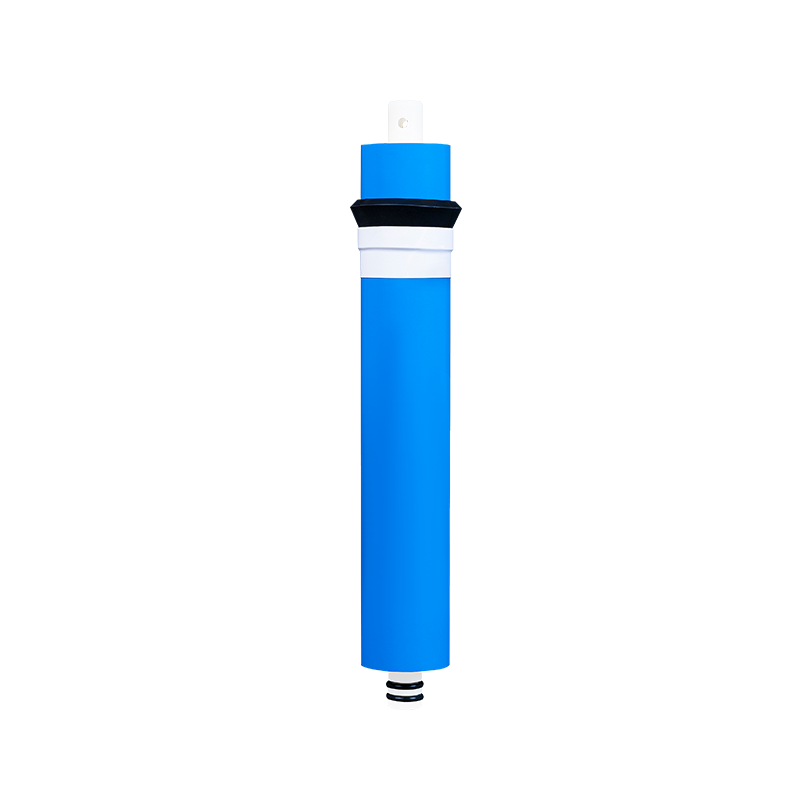
Umkehrosmoseanlagen (RO) bestehen typischerweise aus drei bis fünf Stufen mit unterschiedlichen Kartuschentypen und Austauschintervallen. Das Verfahren ist das gleiche wie oben für die Vorfilter- und Nachfilterstufen, die RO-Membran erfordert jedoch einen etwas anderen Ansatz:
- Schließen Sie das Speisewasserventil und öffnen Sie den RO-Hahn, um das System drucklos zu machen und den Lagertank zu entleeren
- Trennen Sie den Schlauch von beiden Enden des Membrangehäuses (normalerweise Steckverbindungen – drücken Sie den Kragen nach innen und ziehen Sie den Schlauch heraus).
- Schrauben Sie die Endkappe des Membrangehäuses ab und greifen Sie die Membran mit einer Spitzzange an und ziehen Sie sie gerade heraus – Membranen können auch nach monatelanger Kompression noch fest sitzen
- Spülen Sie das Membrangehäuse mit klarem Wasser ab; Verwenden Sie keine Bleich- oder Desinfektionsmittel für das Membrangehäuse, da chemische Rückstände die neue Membran beschädigen können
- Setzen Sie die neue Membran mit dem Durchflussbegrenzerende zuerst ein (überprüfen Sie die Ausrichtungsmarkierung des Herstellers) und drücken Sie sie fest, bis sie vollständig sitzt
- Setzen Sie die Endkappe wieder auf, schließen Sie die Schläuche wieder an und stellen Sie die Wasserversorgung wieder her
- Entsorgen Sie den ersten vollen Wassertank hergestellt nach einem Membranwechsel – die anfängliche Ausgabe kann Konservierungslösung aus der Verpackung der neuen Membran enthalten
So wechseln Sie eine Krug- oder Arbeitsplattenfilterkartusche
Filterkartuschen für Wasserkrüge und Arbeitsplatten sind am einfachsten zu wechseln, werden aber auch am häufigsten vernachlässigt – Studien haben gezeigt, dass ein erheblicher Anteil der Haushaltskrugbenutzer weiterhin Kartuschen verwendet 2–4 Mal länger als ihre Nennlebensdauer An diesem Punkt können die Kohlenstoffmedien tatsächlich zuvor absorbierte Verunreinigungen wieder an das Wasser abgeben.
- Entfernen Sie den Filterdeckel und den oberen Behälter vom Krugkörper
- Drehen und ziehen Sie die alte Patrone gegen den Uhrzeigersinn (Brita-Stil) oder ziehen Sie sie einfach gerade nach unten, je nach Marke
- Die neue Kartusche 15 Minuten lang in kaltem Wasser einweichen vor dem Einbau – dadurch wird die Kohle voraktiviert und Kohlestaub ausgespült, der sonst bei den ersten Güssen entstehen würde
- Setzen Sie die neue Kartusche ein und verriegeln Sie sie, füllen Sie den oberen Behälter und entsorgen Sie die ersten beiden vollen Behälter vor dem Trinken
- Setzen Sie die Filterwechselanzeige zurück, falls vorhanden – die meisten werden durch Drücken und Halten einer Taste für 3–5 Sekunden aktiviert
Häufige Fehler beim Wechseln von Wasserfilterkartuschen
Verwendung der falschen Ersatzpatrone
Der Einbau einer Kartusche mit der richtigen physikalischen Größe, aber falscher Filtrationsspezifikation ist ein sehr häufiger Fehler – zum Beispiel der Einbau einer Sedimentkartusche, wo ein Kohlenstoffblock erforderlich ist, oder der Einbau einer 20-Mikron-Kartusche, wo eine 1-Mikron-Kartusche für die Zystenentfernung spezifiziert ist. Vergleichen Sie immer die Modellnummer auf der verbrauchten Patrone oder in Ihrem Systemhandbuch Bevor Sie einen Ersatz kaufen, achten Sie nicht nur auf die physischen Abmessungen.
Überspringen der O-Ring-Schmierung
Ein ungeschmierter O-Ring rollt beim Zusammenbau des Gehäuses viel eher aus seiner Nut, was zu einer langsamen Undichtigkeit führt, die möglicherweise nicht sofort erkennbar ist. Silikonfett verlängert außerdem die Lebensdauer der O-Ringe, indem es verhindert, dass der Gummi zwischen den Kartuschenwechseln austrocknet und Risse bekommt.
Spülen Sie die neue Patrone vor der Verwendung nicht aus
Kohlekartuschen setzen beim ersten Gebrauch feine Kohlenstoffpartikel frei, die zwar nicht schädlich sind, aber optisch beunruhigend sind und nach Holzkohle schmecken. Einige Kohleblockkartuschen werden auch mit einer kleinen Menge Konservierungslösung geliefert. Das Auslassen der Spülung bedeutet, diese bei den ersten Anwendungen zu verbrauchen, anstatt sie wegzuwerfen.
Zu festes Anziehen des Gehäuses
Das Aufbringen eines übermäßigen Drehmoments auf einen Filtergehäusesumpf aus Kunststoff – besonders häufig bei der Verwendung einer Rohrzange aus Metall anstelle des richtigen Filterschlüssels – kann zu Rissen im Gehäusekörper oder zu einer Verformung der O-Ring-Nut führen. Jeder Fehler führt zu einem Leck, das einen Gehäuseaustausch erfordert. Das Standarddrehmoment für ein 10-Zoll-Gehäuse beträgt ca 14–20 Nm (10–15 ft-lbs) — leicht von Hand mit dem richtigen Schraubenschlüssel ohne zusätzliche Hebelwirkung erreichbar.
Einsetzen einer abgelaufenen oder falsch gelagerten Patrone
Filterkartuschen haben eine Haltbarkeitsdauer. Aktivkohle zersetzt sich selbst in versiegelter Verpackung langsam, und bei feuchter oder warmer Lagerung von Kartuschen kann sich vor der Installation Schimmel auf der Medienoberfläche bilden. Verwenden Sie keine Kartuschen, die länger als 2–3 Jahre gelagert wurden, oder Kartuschen, deren Verpackung beschädigt oder Feuchtigkeit ausgesetzt war.
So wählen Sie die richtige Ersatzkartusche aus
Nicht alle Ersatzpatronen sind gleich, auch wenn sie dieselbe physische Größe haben. Die Auswahl der richtigen Spezifikation hängt davon ab, was Sie aus Ihrer Wasserversorgung entfernen müssen:
| Problem der Wasserqualität | Zu verwendender Patronentyp | Schlüsselspezifikation |
|---|---|---|
| Ablagerungen, Rost, Sand, Trübung | Sediment / PP gesponnen | 1–5 Mikrometer für feine Partikel |
| Chlorgeschmack und -geruch | Granulat-Aktivkohle (GAC) | NSF/ANSI Standard 42 zertifiziert |
| VOCs, Pestizide, Chloramine | Aktivkohleblock | NSF/ANSI Standard 53 zertifiziert |
| Zysten (Cryptosporidium, Giardia) | Absoluter 1-Mikron-Kohlenstoffblock | NSF/ANSI Standard 53 (Zystenreduktion) |
| Blei, Schwermetalle | Bleireduzierter Kohlenstoffblock oder KDF | NSF/ANSI-Standard 53 (Bleireduzierung) |
| Nitrate, TDS, gelöste Salze | RO-Membran | GPD-Bewertung auf das System abgestimmt |
Wenn Sie Zweifel darüber haben, was Ihr Wasser enthält, können Sie mit einem einfachen Wassertest-Kit für zu Hause (erhältlich für 15–30 US-Dollar) oder einem Wasseranalysedienst per Post die spezifischen vorhandenen Verunreinigungen identifizieren und eine Kartuschenspezifikation auswählen, die Ihre tatsächlichen Wasserqualitätsprobleme berücksichtigt, anstatt zu raten.
Den Überblick über Patronenwechsel behalten
Die einfachste und effektivste Wartungsgewohnheit besteht darin, das Austauschdatum zum Zeitpunkt der Installation mit einem Permanentmarker direkt auf die neue Patrone zu schreiben. Bei mehrstufigen Systemen, bei denen verschiedene Stufen unterschiedliche Intervalle haben, vermeidet ein kleines Etikett an jedem Gehäusesumpf Verwirrung darüber, welche Stufe zuletzt geändert wurde.
Alternativ können Sie zum Zeitpunkt der Installation eine wiederkehrende Kalendererinnerung einrichten. Systeme mit integrierten elektronischen Monitoren – immer häufiger bei Untertisch- und RO-Systemen – automatisieren dies, indem sie entweder die verstrichene Zeit oder die tatsächlich durchgeflossene Wassermenge verfolgen und eine Änderungserinnerung auf einer Bedienfeldanzeige oder einer verbundenen App anzeigen. Die volumenbasierte Überwachung ist genauer als die zeitbasierte Planung Denn der tatsächliche Verbrauch variiert erheblich zwischen den Haushalten und eine vierköpfige Familie, die ausschließlich gefiltertes Wasser verwendet, verbraucht eine Kartusche viel früher als ein Einpersonenhaushalt mit demselben Kalenderplan.